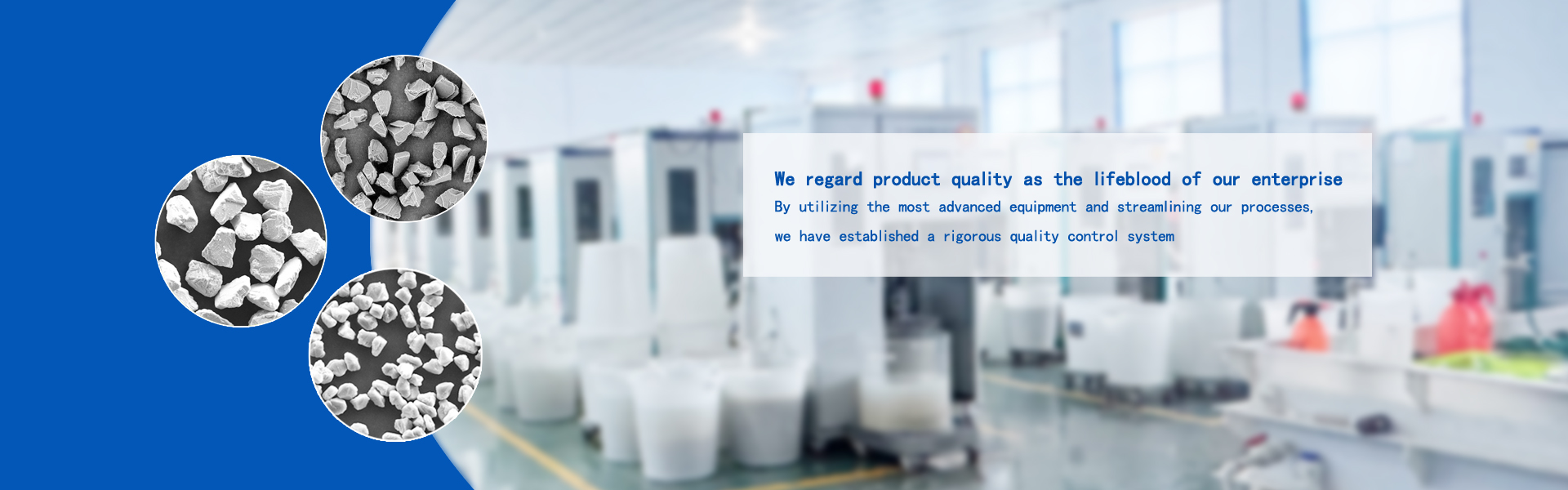

A well regarded company with over 40 years of experience in the research, development, and production of abrasives and grinding tools.
We champion independent innovation. Driven by market and client needs, to continuously advance our technological innovation and operational prowess.
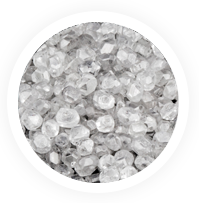
Our dedicated quality control team ensures constant technological innovation and refinement, which elevates our product quality and sharpens our competitive edge.
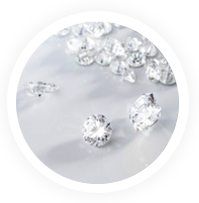
We focus on super-hard materials and their functional applications, driving continuous capability building centered on the market and our customers.
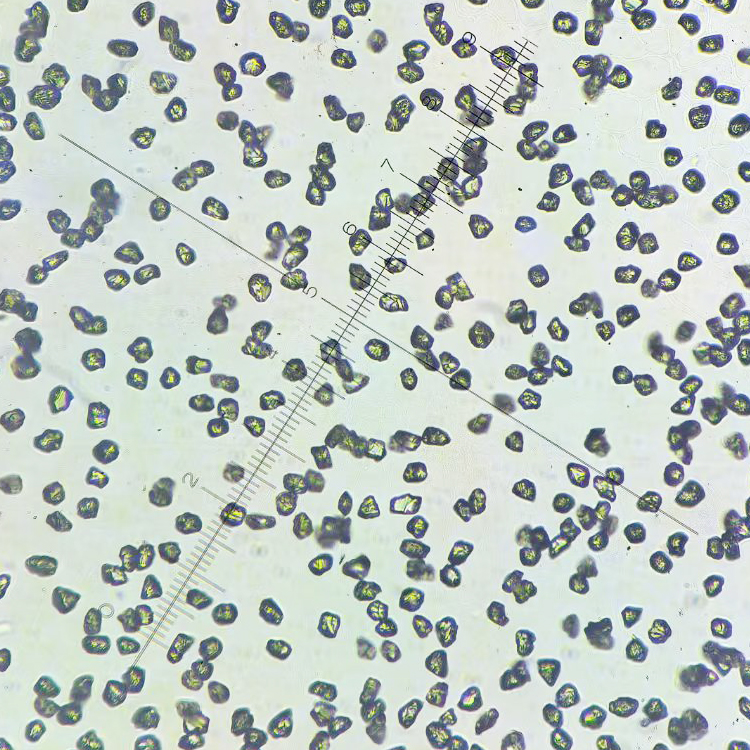
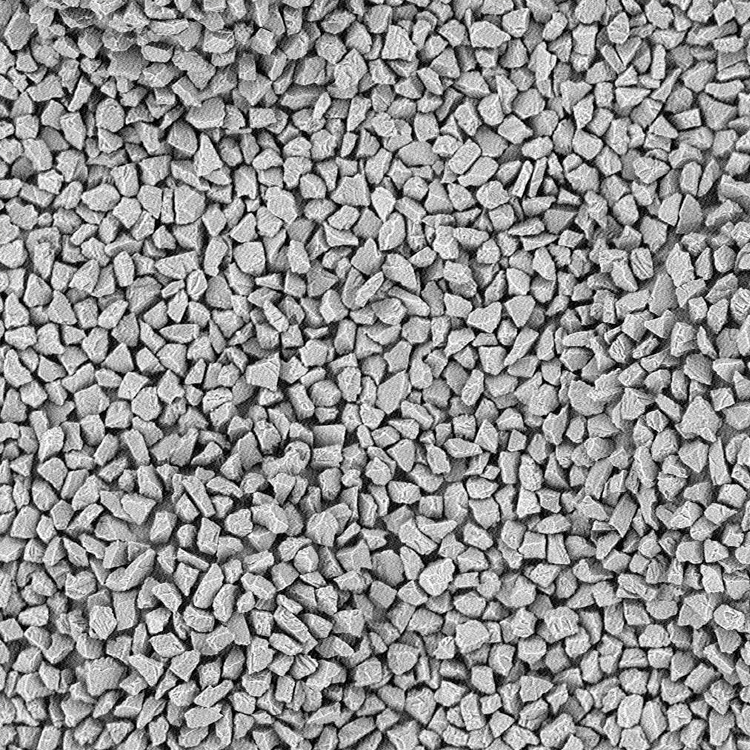
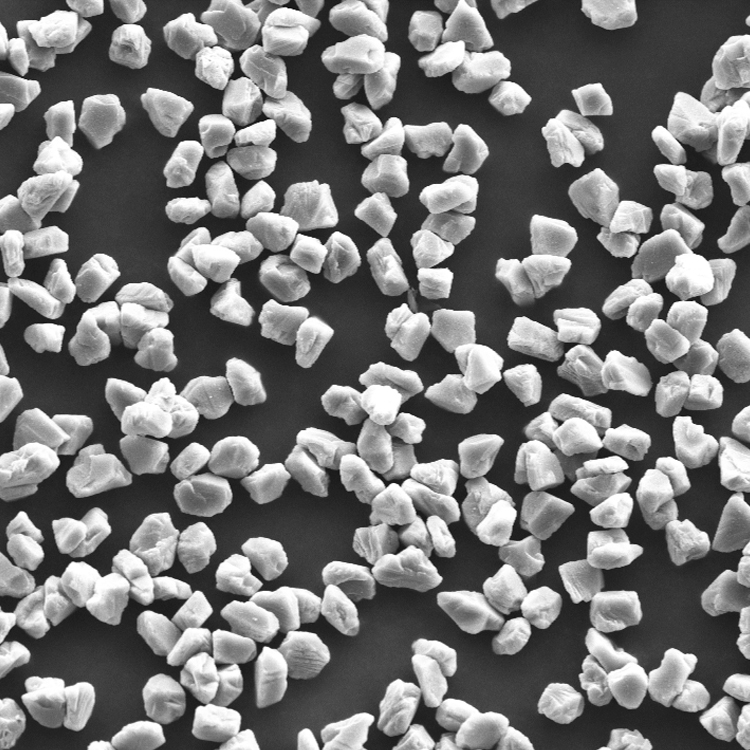
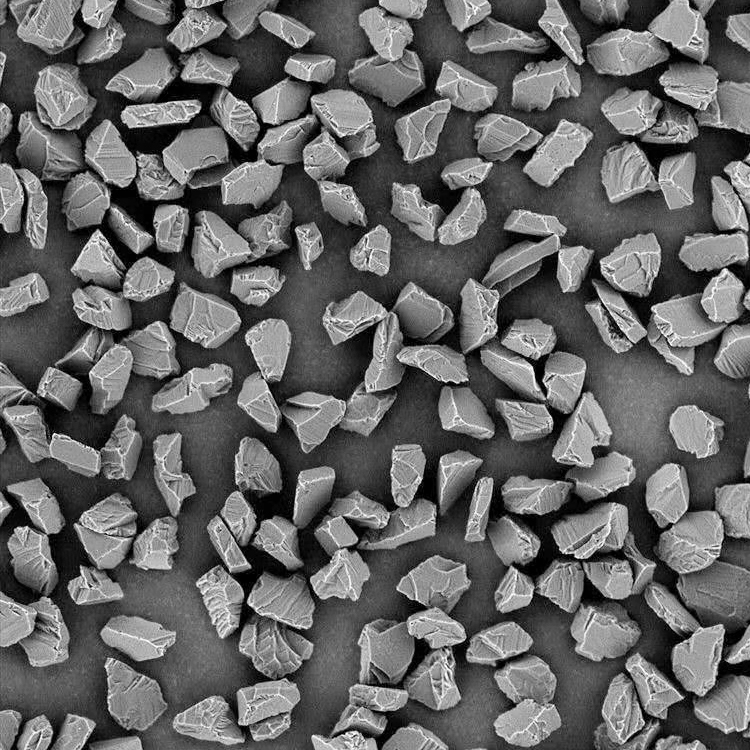
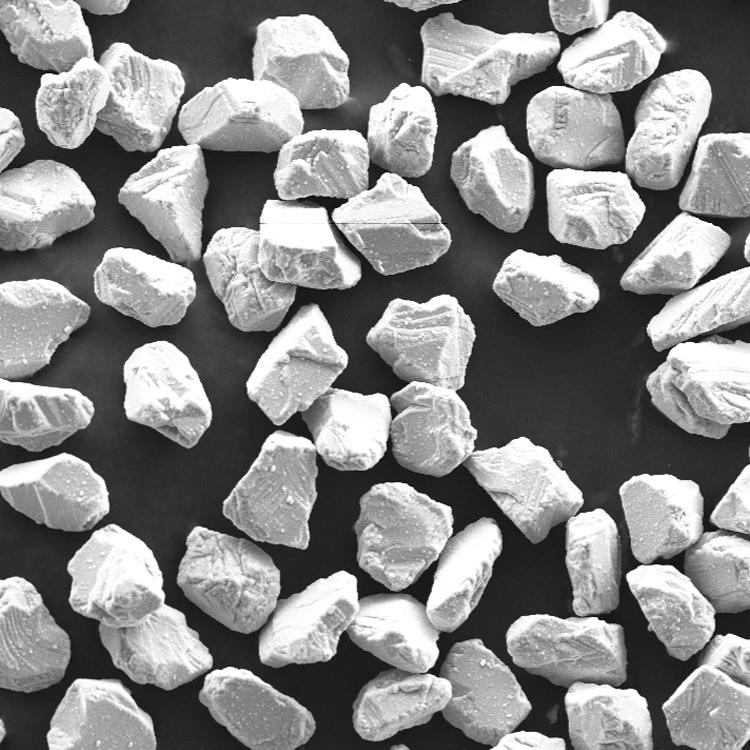
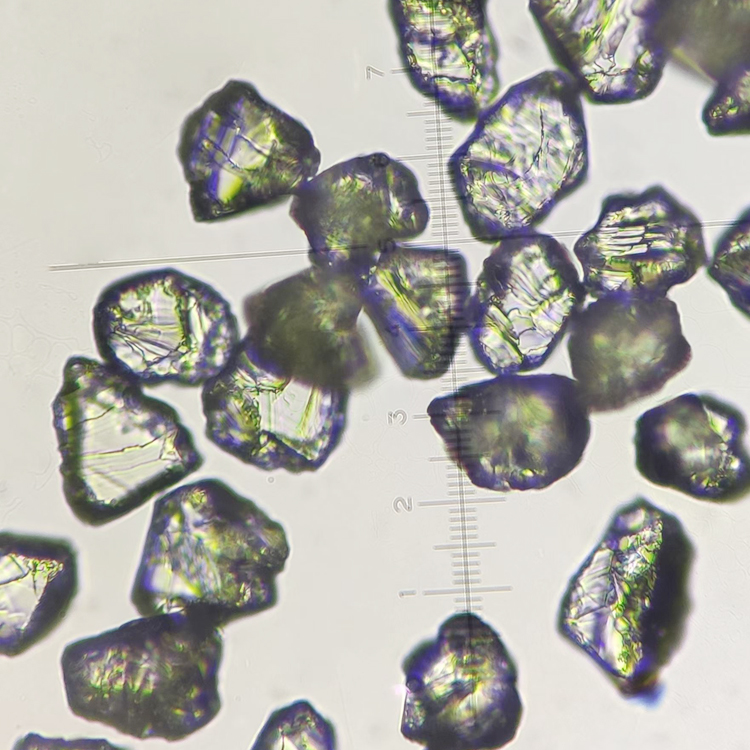


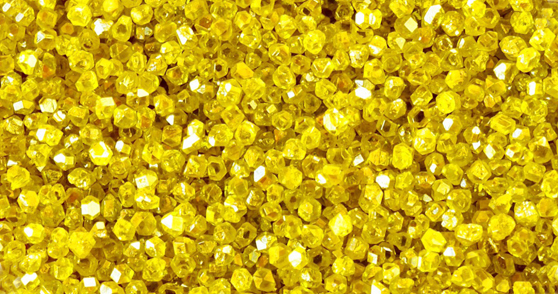
We adhere to a development strategy guided by market trends and customer needs. Leveraging our professional technical R&D team, we have established a collaborative technology research and development system focused on product development, technical processes, cost and quality control, as well as inspection and testing.
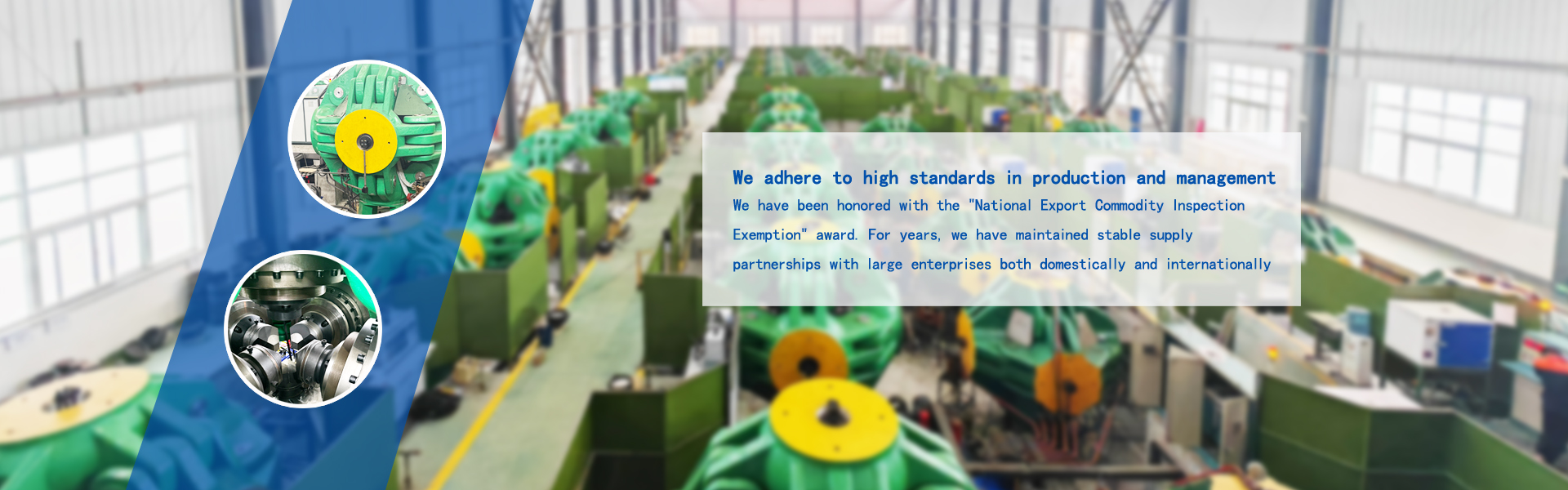
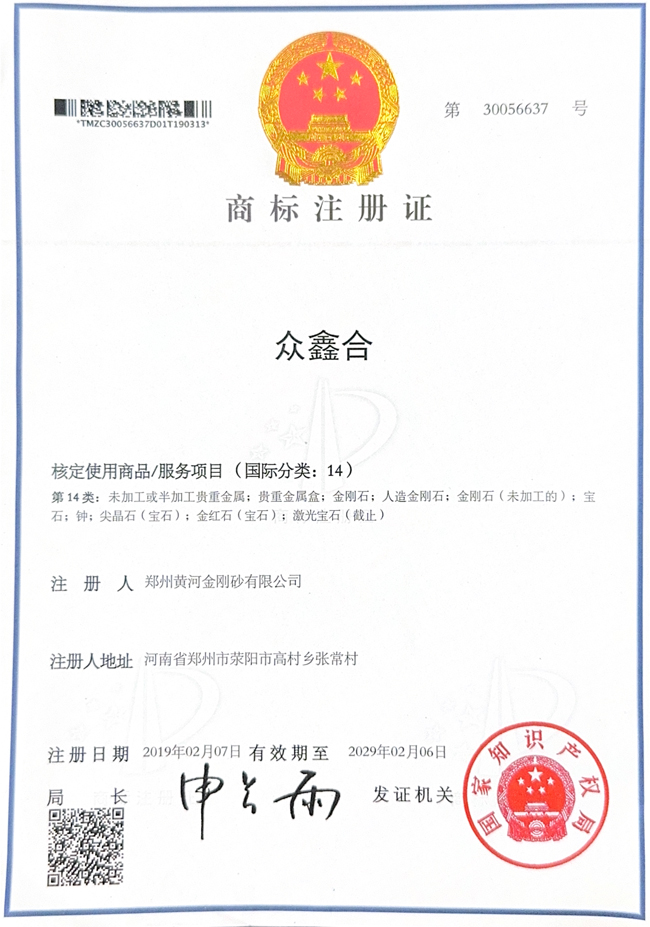
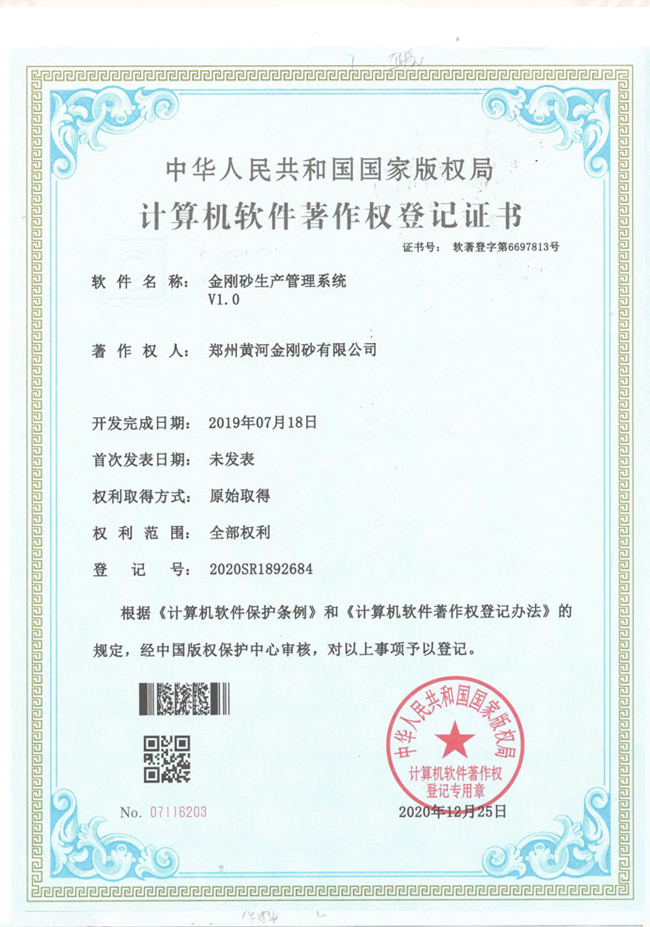
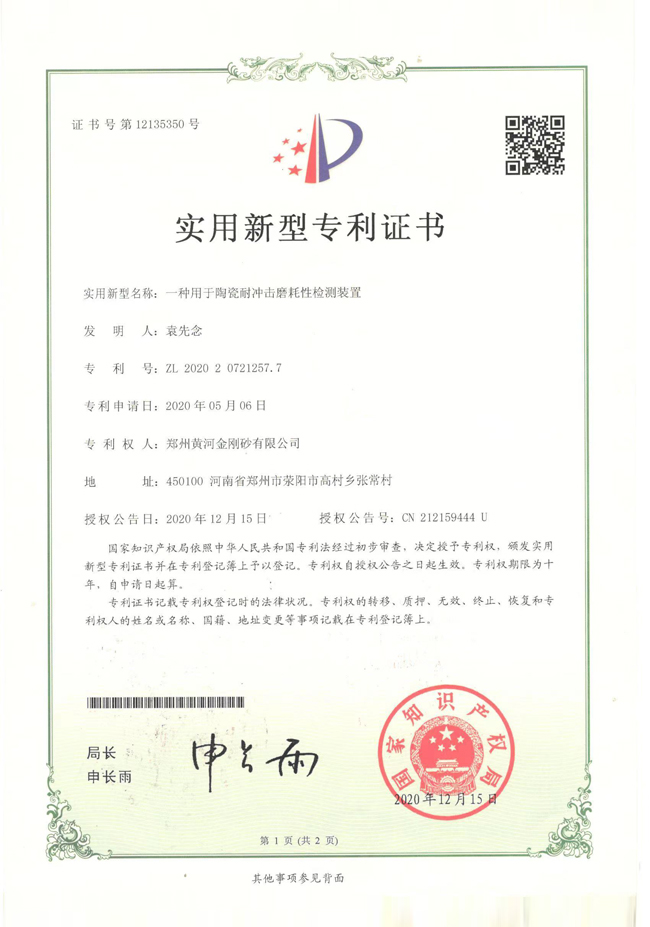
Since its establishment, the company has been honored with the "National Export Commodity Inspection Exemption" award. For years, we have maintained stable supply partnerships with major domestic and international enterprises, and our products are sold in over 20 countries and regions worldwide.
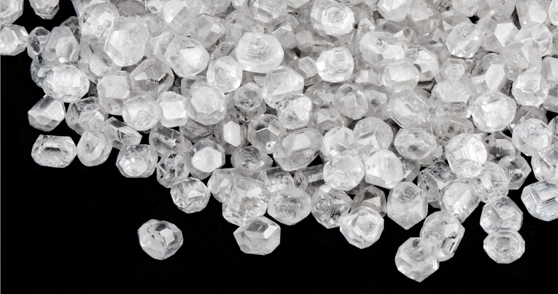
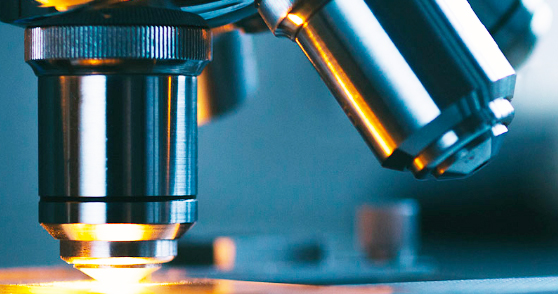
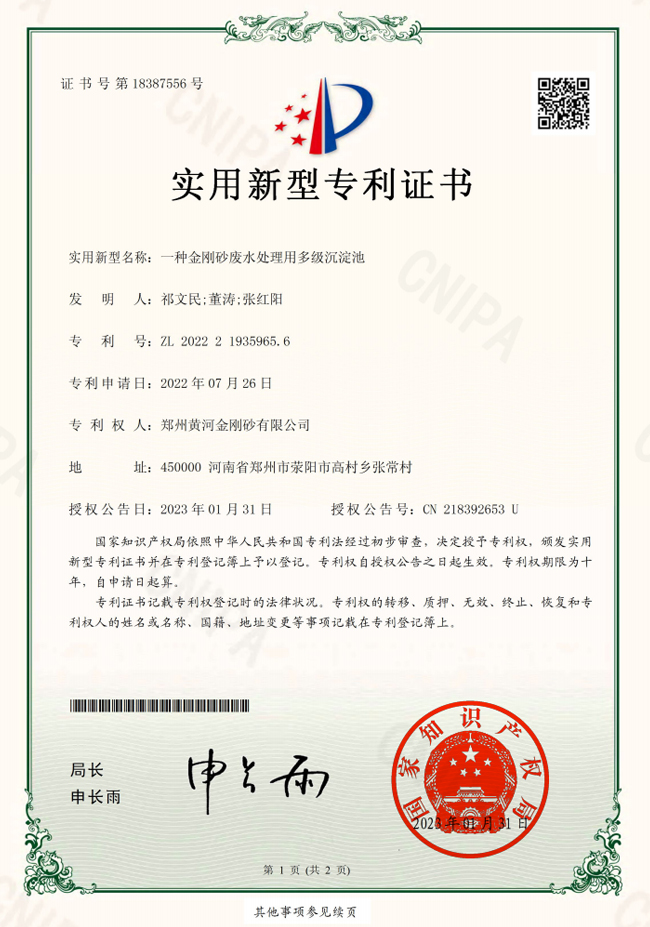
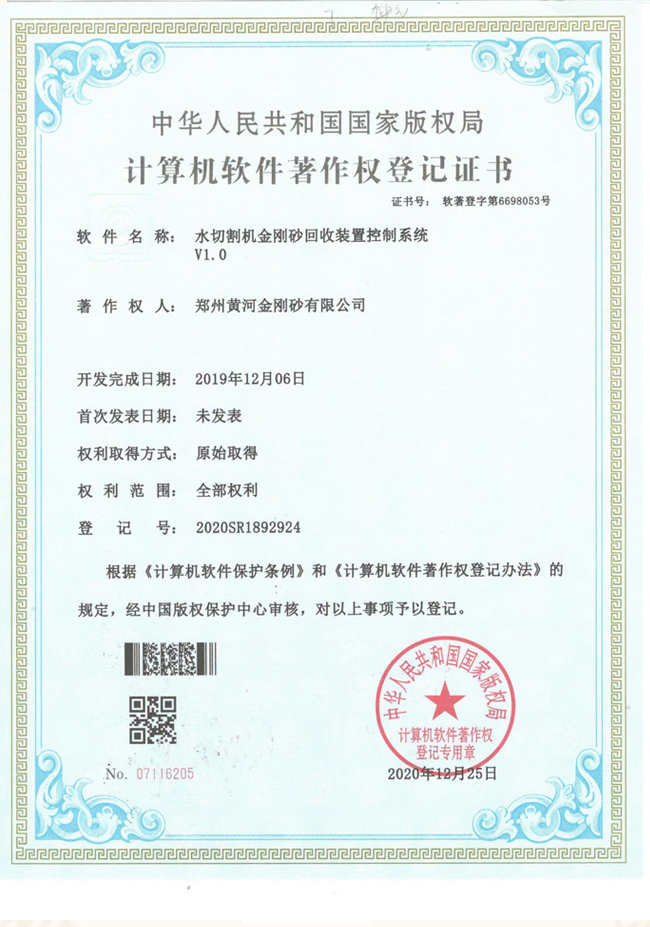
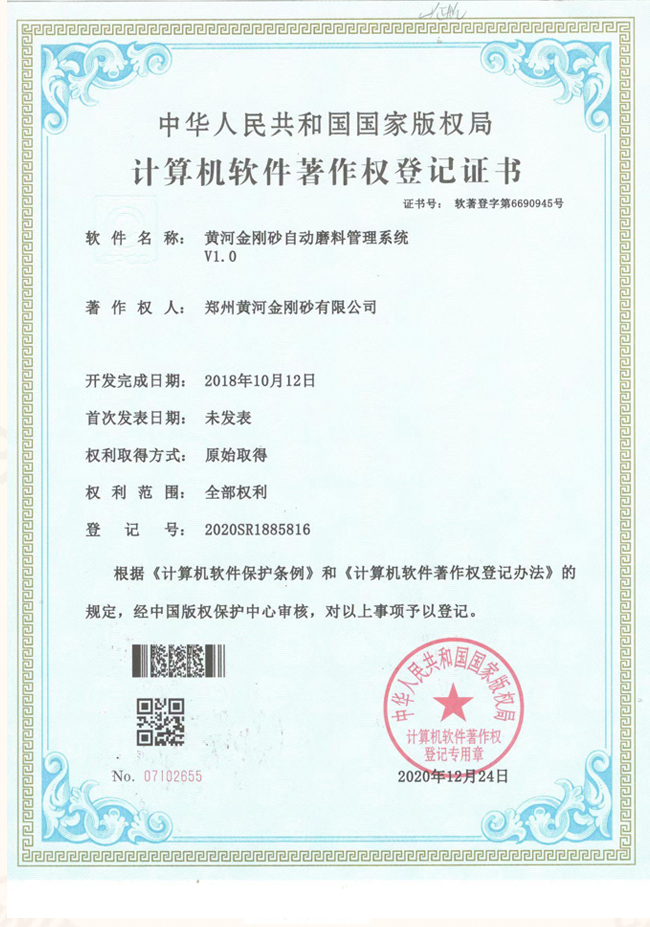
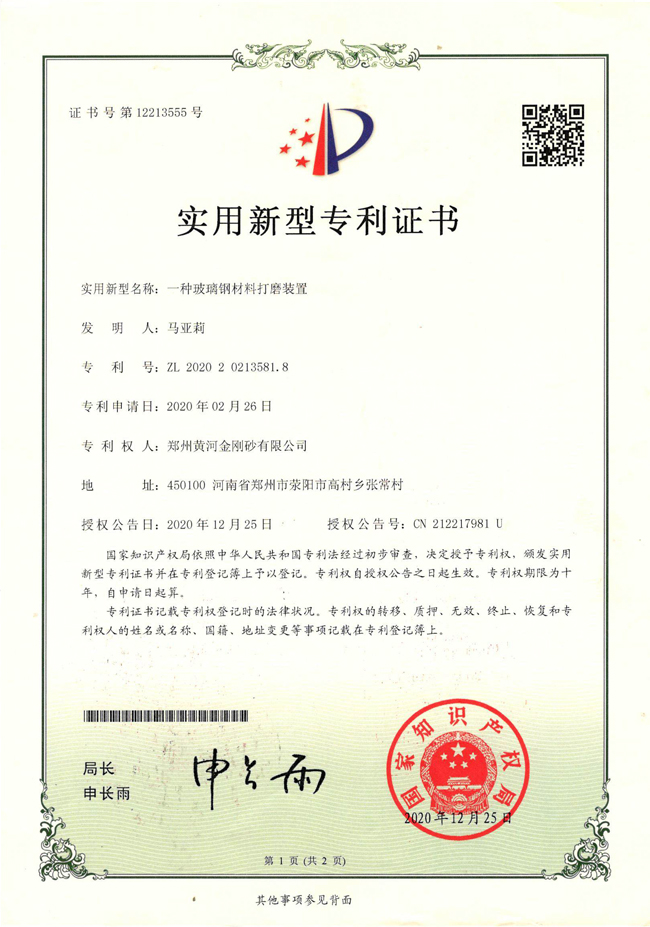
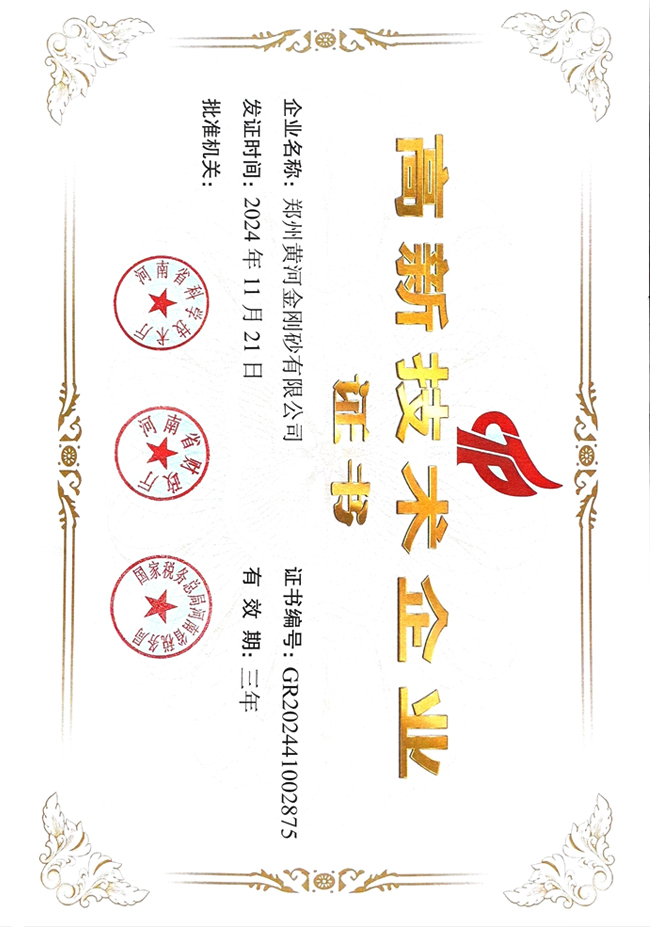
We have built multi-layered technological expertise that drives continuous innovation and optimization, enhancing product quality and competitiveness while strengthening our technical reserves. The company operates a nationally accredited laboratory, an academician workstation, a postdoctoral research substation, and a series of other advanced R&D platforms.
We currently achieve an annual production capacity of 1 billion carats of diamond micro-powder and crushed diamond material, consistently delivering products and services of exceptional and unwavering quality to our users.
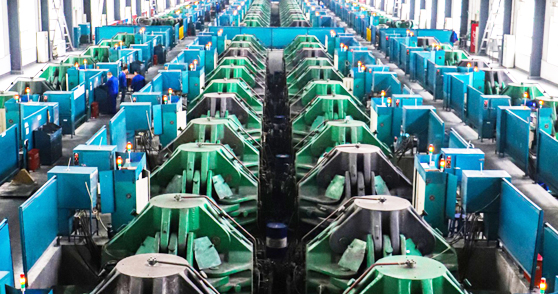
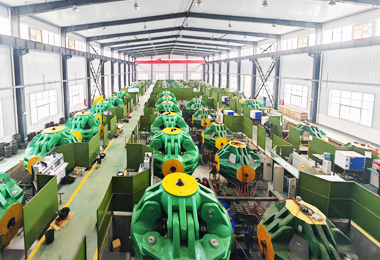
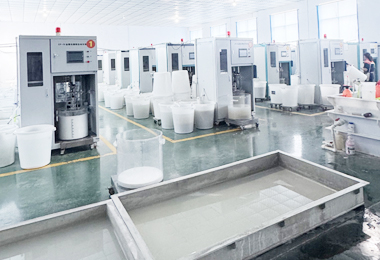
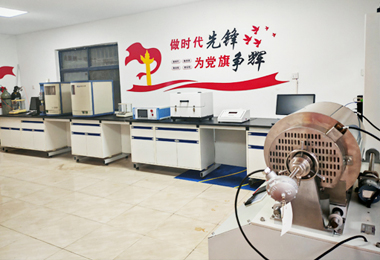
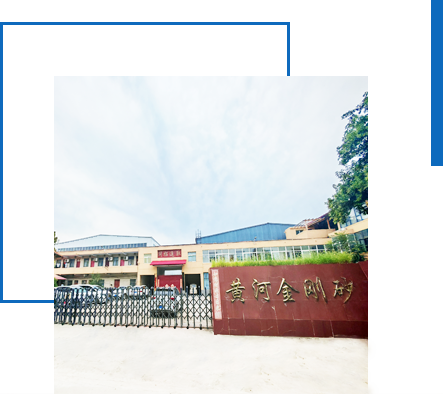
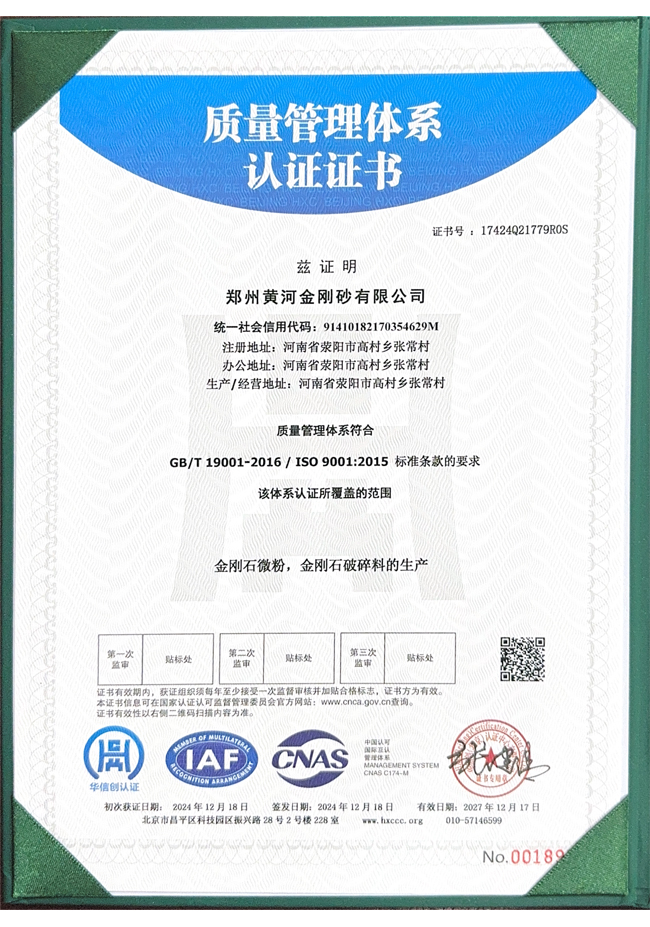
Zhengzhou Yellow River Abrasives Co., Ltd. was established in 1976, which is a well-known company with a history of over 40 years for producing abrasives and related products. The company insists high standard on production & management since the day of its establishment. Products from Zhengzhou Yellow River Abrasives Co., Ltd. are honored with " National Inspection-free Products "accordingly, and are constantly supplied to large-scale enterprises and other customers located in over 20 countries and areas.
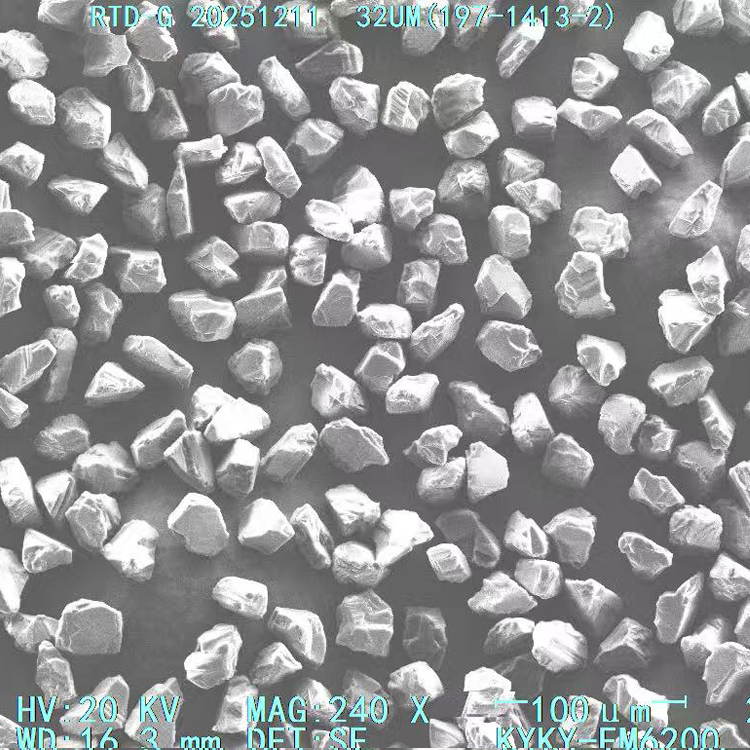
Since 2013, Zhengzhou Yellow River Abrasives has started R&D as well as production of diamond mesh powder and micron diamond powder based on market and company developing requirement. The company now reaches a production scale of 1,000,000,000carats of diamond mesh powder and micron diamond powder per year. Zhengzhou Yellow River Abrasives will keep supply customers products with constant quality and considerable service same as ever.
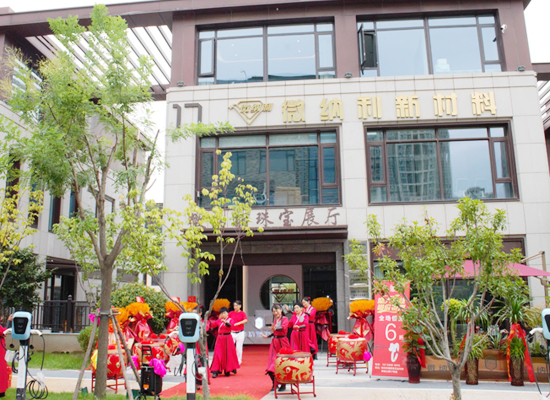
On September 17, 2025, the highly anticipated Weinanli Jewelry Showroom officially opened in the Zhengzhou High-tech Zone, injecting new vitality into the local jewelry market. The grand opening was a scene of vibrant festivities, with numerous jewelry enthusiasts, industry professionals, and media representatives gathered to witness this momentous occasion.
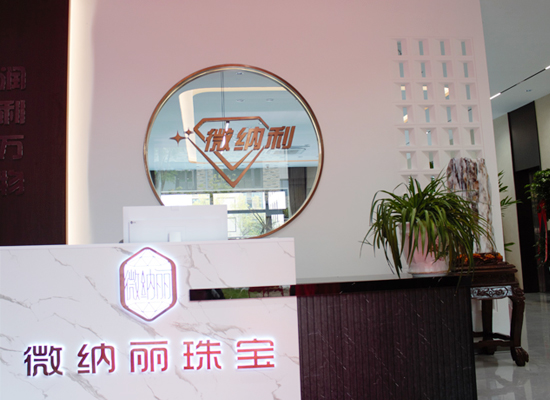
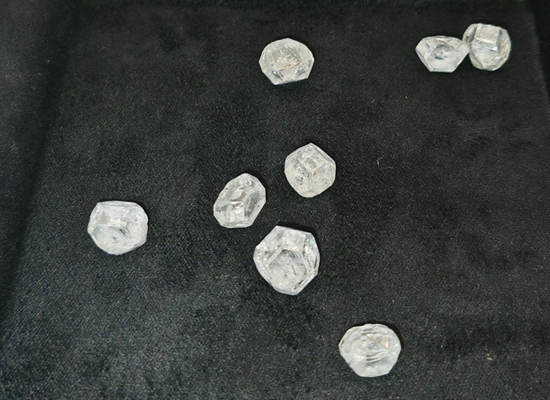
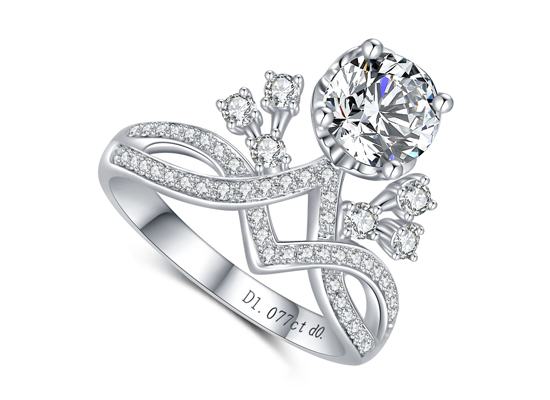
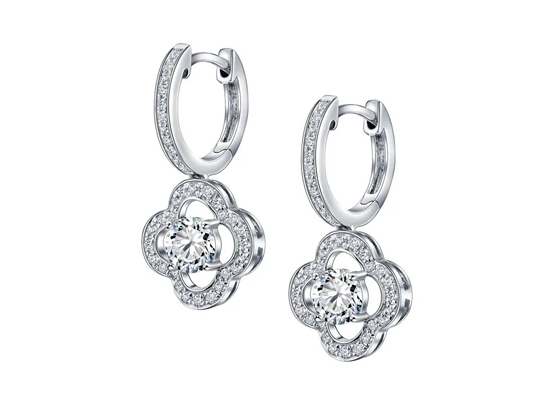
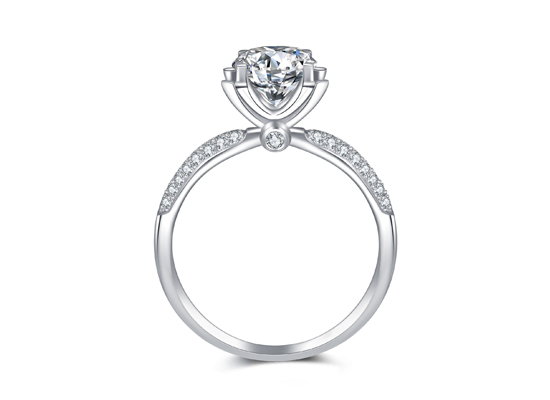
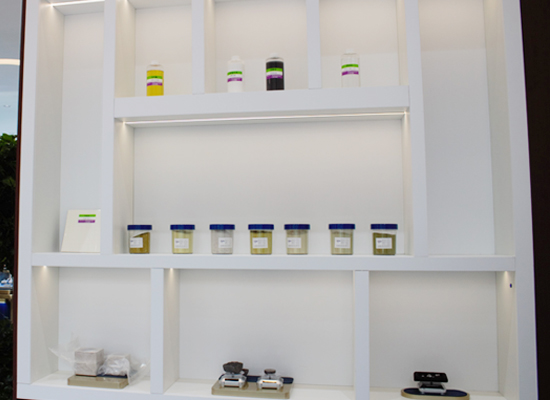
As a an emerging force specializing in jewelry-grade cultured diamond jewelry, the Weinanli Jewelry Showroom showcases a rich and diverse selection of jewelry-grade cultured diamond jewelry, including necklaces, rings, earrings, bracelets, and more. Each piece is meticulously designed and crafted, showcasing the dazzling charm of cultured diamonds while incorporating trendy fashion elements to meet the needs of diverse consumers, from everyday wear to holiday gifts and wedding commemorations. The showroom also offers a customization service, allowing consumers to tailor their own cultured diamond jewelry to their individual needs, creating a unique and personal touch. The showroom also showcases Weinanli's new materials, including diamond micropowder, grinding fluid, and polishing fluid. When it comes to jewelry-grade cultured diamond jewelry, the cultured diamonds in the Weinali Jewelry Showroom all meet jewelry-grade standards in terms of quality. They possess the same physical and chemical properties as natural diamonds, including high hardness, high refractive index, and strong dispersion. Under light, they display a dazzling fire, and are extremely durable, maintaining their brilliance for a long time.
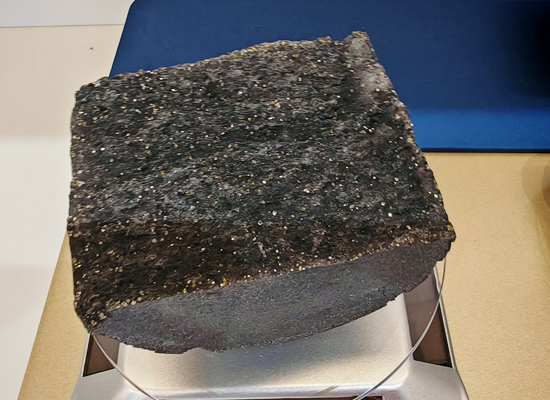
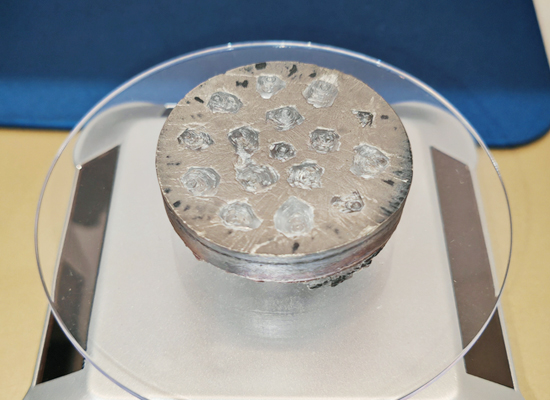
Weinali's jewelry-grade cultured diamonds are grown using advanced laboratory techniques. The entire process eliminates the need for mining, significantly reducing environmental pollution and resource consumption. This truly embodies the sustainable development concept of "from technology, back to nature," aligning with the current global trend of green and environmentally friendly consumption. This allows consumers to enjoy the beauty of diamonds while also contributing to the protection of the Earth's ecosystem.
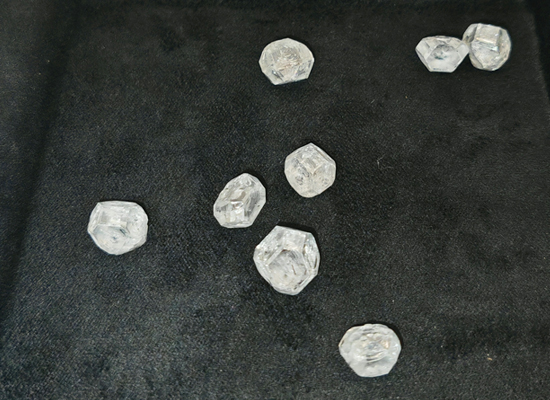
In terms of value, jewelry-grade cultured diamond jewelry also offers significant advantages. Due to the controllable cultivation process and relatively stable production, cultured diamonds are more affordable than natural diamonds of the same quality, typically priced at only one-third to one-half the price of natural diamonds. This means consumers can now own high-quality, dazzling diamond jewelry without spending exorbitant prices. Whether they're young, fashionable, or value-conscious families, the Weinali Jewelry Showroom will find products that suit them.
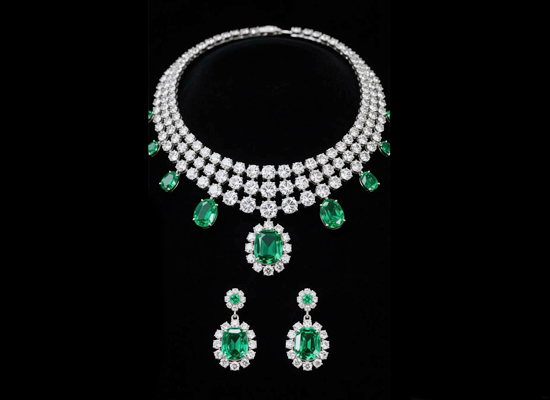

The head of the Weinali Jewelry Showroom stated that in the future, Weinali will continue to uphold its brand philosophy of "Technology Empowers Jewelry, Quality Gives Life," continuously increasing investment in cultured diamond technology research and development and product design, launching more high-quality, cost-effective jewelry-grade cultured diamond jewelry. This will provide consumers in Zhengzhou and nationwide with more excellent choices, while also contributing to the healthy development of the cultured diamond industry.


During the opening period, the Weinali Jewelry Showroom offered discounts to attract consumers to stop by and purchase. It is believed that with the opening of the Weinali Jewelry Showroom, cultured diamonds will gradually become more accessible to more consumers and become a new trend in the jewelry market.
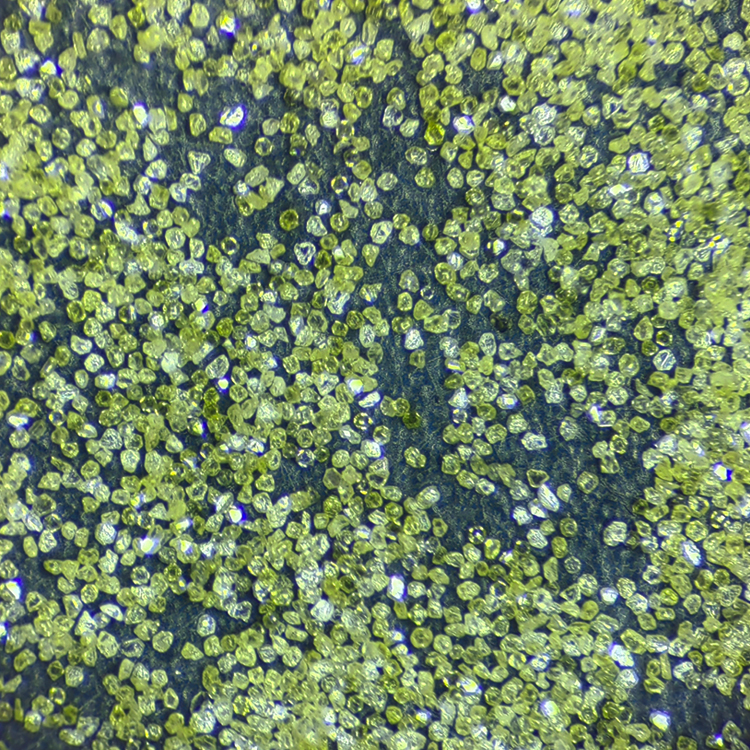
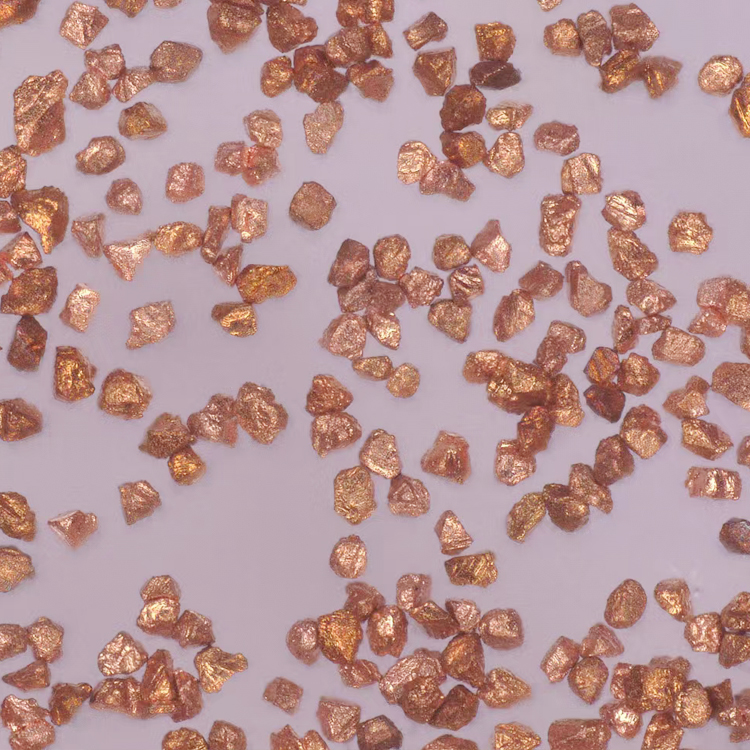
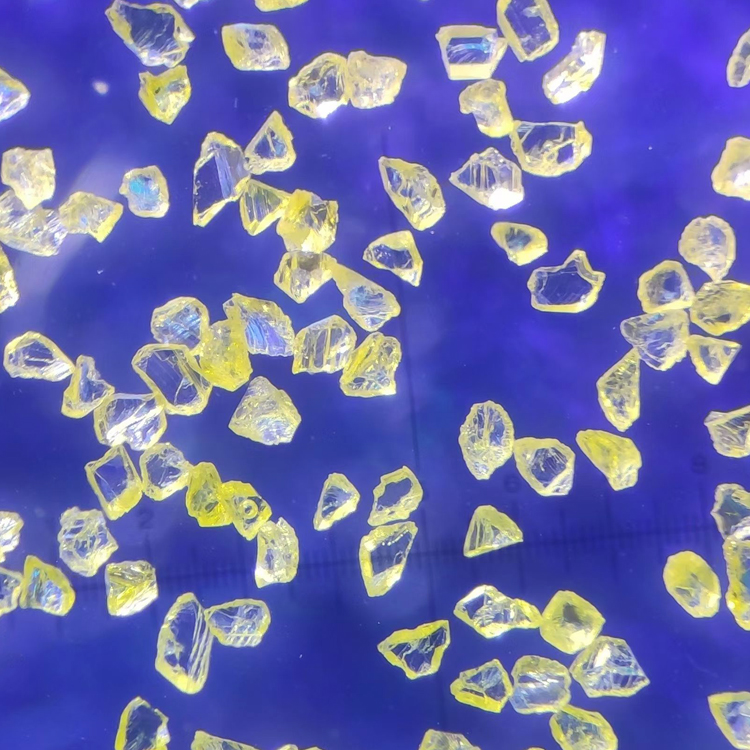
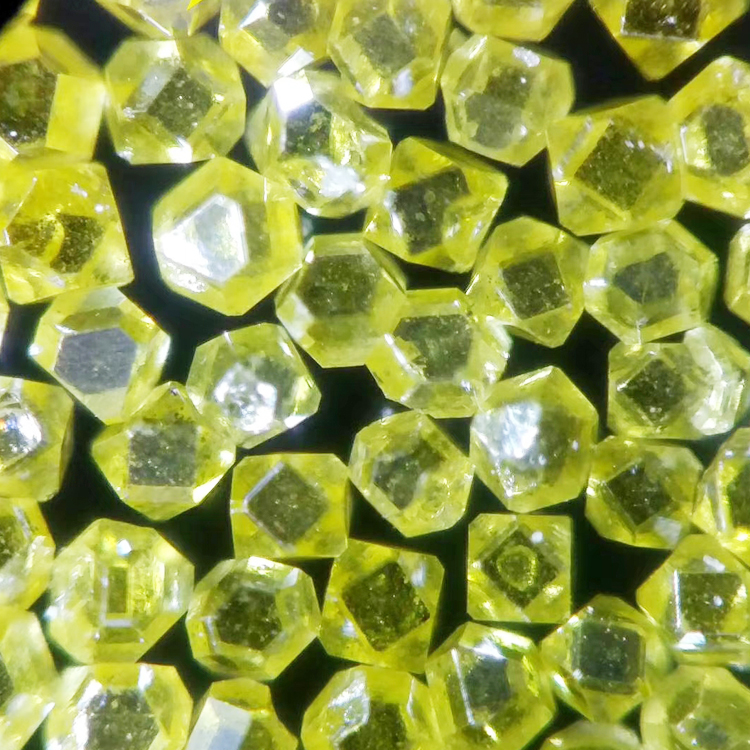
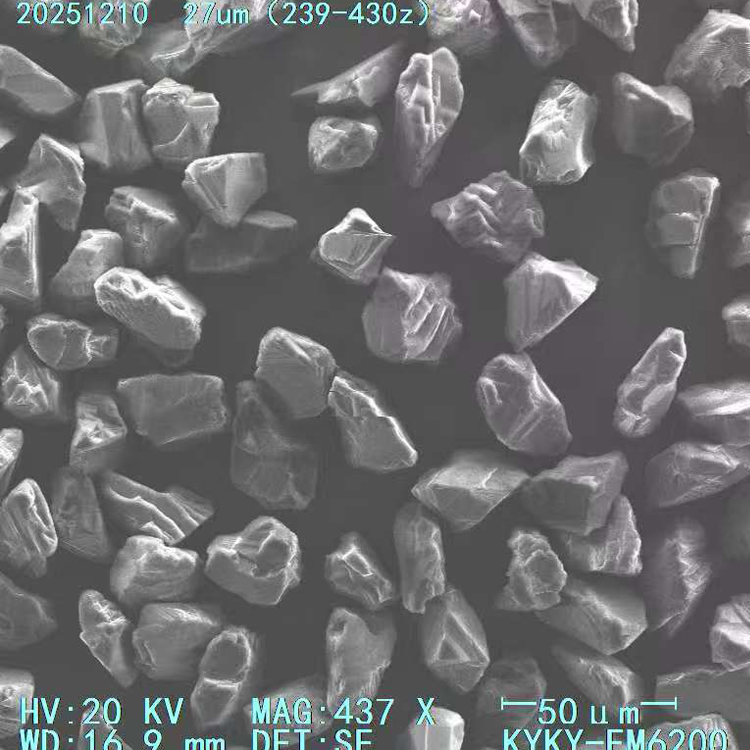
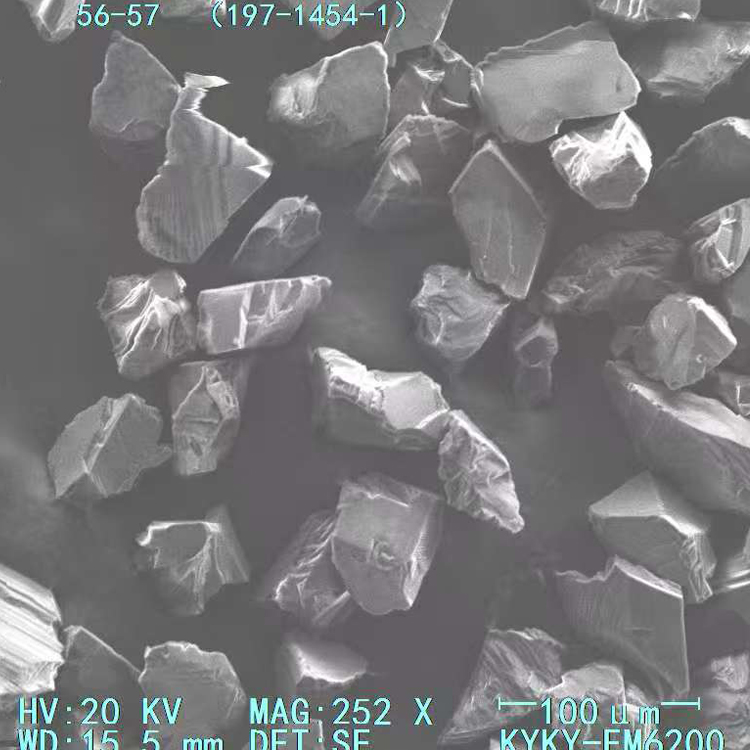
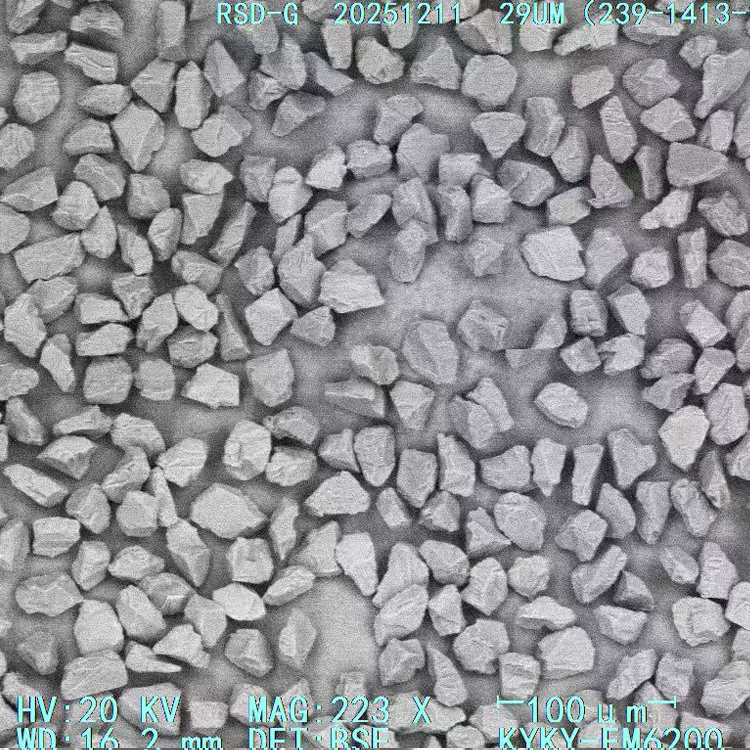
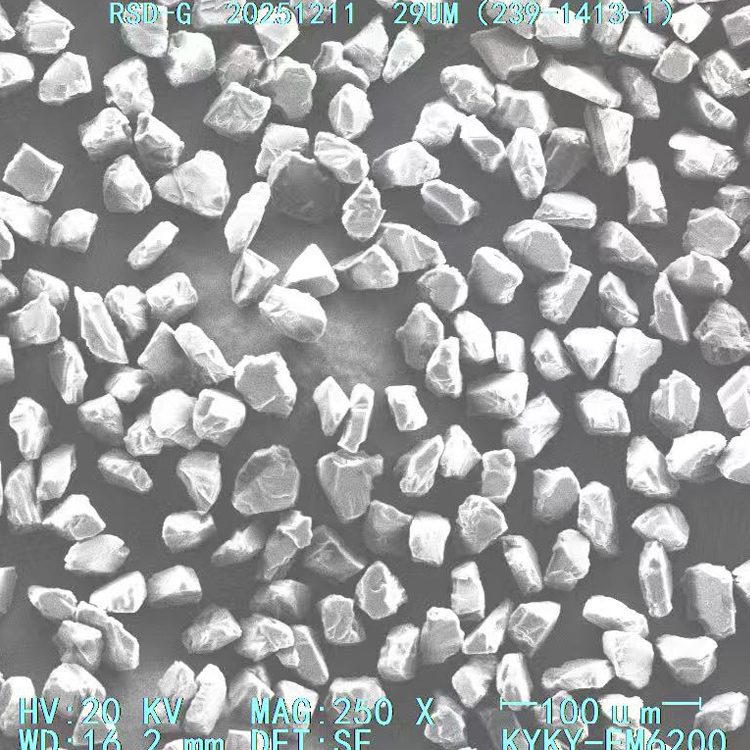
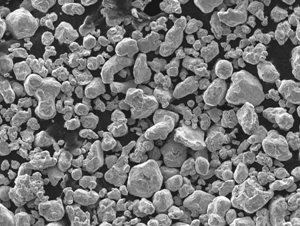
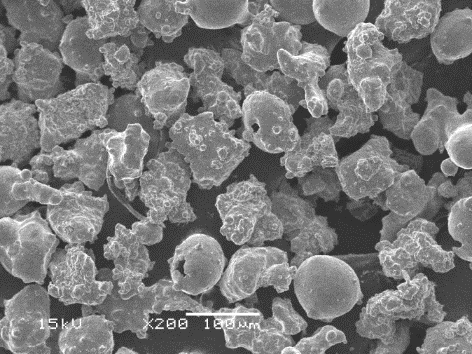
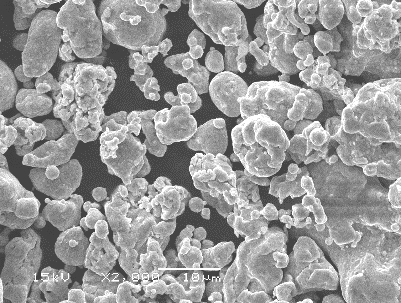
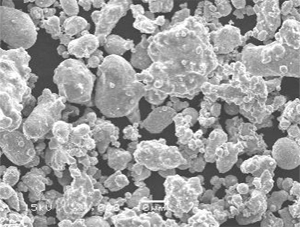
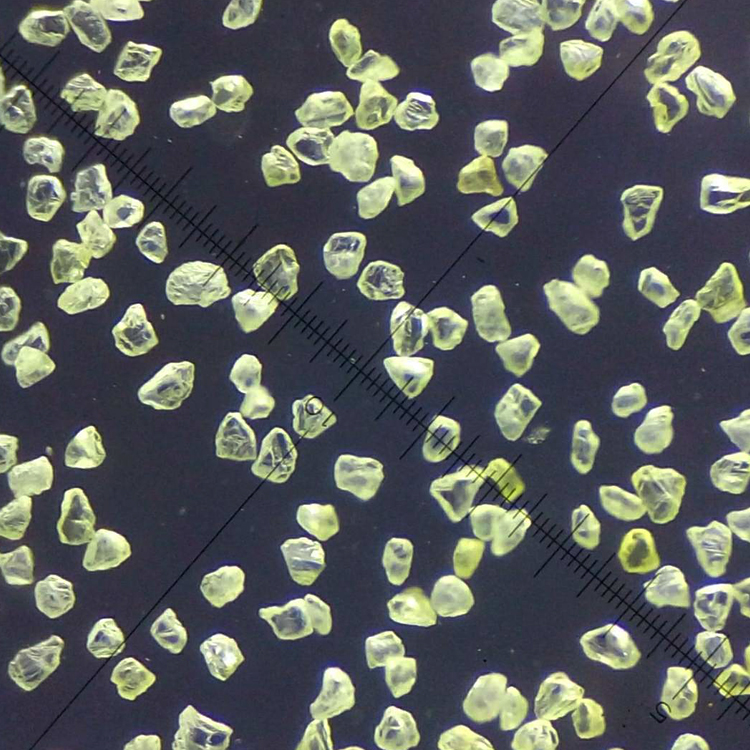
Diamond micron powder possesses extremely high hardness and wear resistance, making it widely used in high-end fields such as precision grinding, semiconductor cutting, and aerospace device processing. The raw material systems are mainly divided into two categories: natural diamond and synthetic diamond.
Natural diamond is the traditional raw material for diamond micron powder, derived from natural diamond ore. After processing such as screening, crushing, and purification, natural diamond micron powder can be produced. The advantages of this raw material lie in its complete crystal structure, excellent hardness and wear resistance, making it suitable for applications requiring extremely high processing precision, such as gemstone polishing and high-end optical instrument lens grinding. However, natural diamond resources are scarce and expensive, and its wide particle size distribution and difficulty in precisely controlling impurity content limit its large-scale industrial application; currently, it is only used in a few high-end specialty fields.
Synthetic diamond has become the mainstream raw material for diamond micron powder. Based on preparation processes and crystal structures, it can be divided into three categories: single-crystal, polycrystalline, and nano-diamond. Its cost-effectiveness and controllability far surpass those of natural raw materials. Single-crystal diamond is the most widely used raw material. Synthetic single-crystal diamond abrasive grains are synthesized through hydrostatic pressing, then crushed, shaped, and purified to produce micro-powder. The industry primarily uses Type II or Type III synthetic single-crystal diamond, requiring a compressive strength ≥150N and a carbon content ≥99.9%. Raw materials from Northeast China exhibit superior hardness, making them suitable for fine-grained micro-powder, while raw materials from Central and Southern China offer better toughness, making them suitable for coarse-grained products.
Polycrystalline diamond raw materials are prepared using a directional blasting method. The shock wave from a high-velocity explosive drives a metal flyer to impact graphite, transforming the graphite into polycrystalline diamond. Its crystals are composed of nanoscale microcrystals bonded by unsaturated bonds, exhibiting excellent toughness, reducing the likelihood of scratching workpieces during grinding, and possessing strong self-sharpening properties. The material removal rate is 2-4 times that of ordinary products. However, due to limitations in synthesis conditions, there are few manufacturers, resulting in higher costs. Batch supply particle sizes do not exceed 10 micrometers, primarily used for precision machining of semiconductors and optical crystals.
Nanodiamond raw materials are prepared through a detonation synthesis process, resulting in particles smaller than 20 nanometers, nearly spherical shapes, abundant surface functional groups, and a specific surface area far exceeding that of single-crystal diamond. In addition to traditional superhardness, they possess the unique properties of nanomaterials, showing great potential for application in emerging fields such as lubricants, biomedicine, and coating additives.
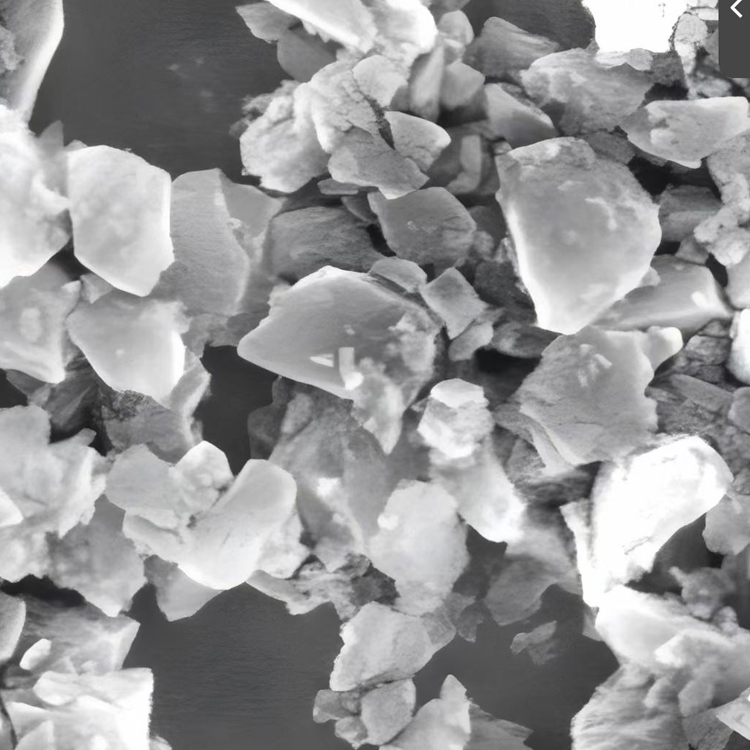
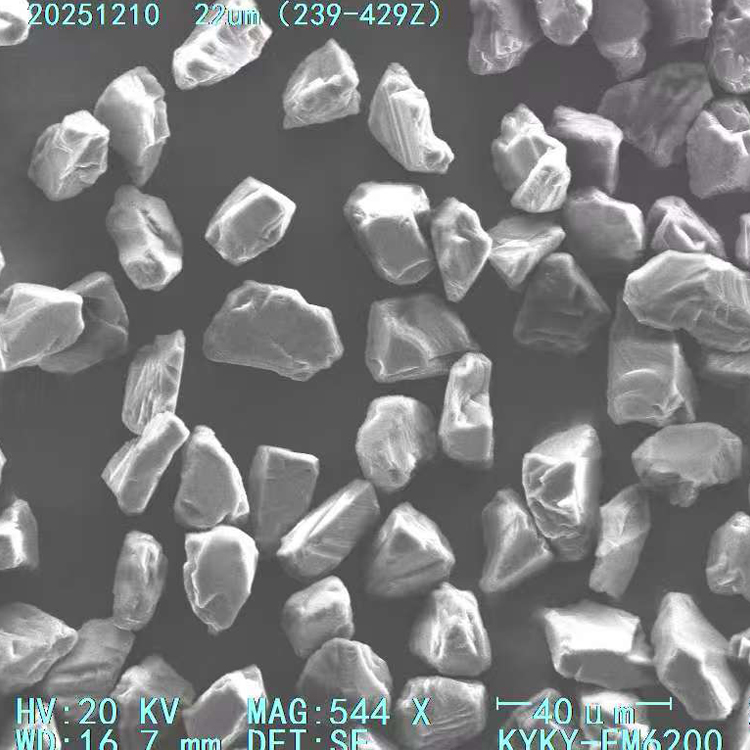
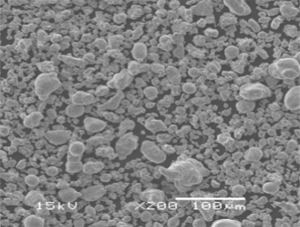
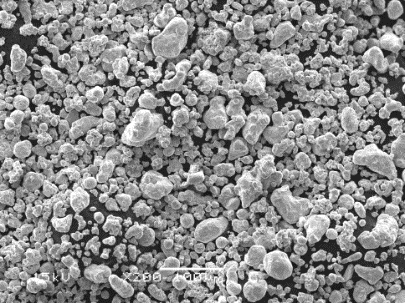
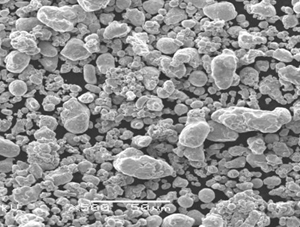
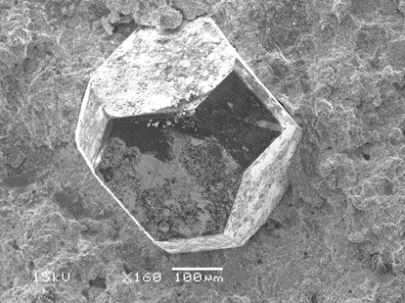
Raw material quality control is the core of diamond micron powder production. Impurity removal directly affects product performance, requiring processes such as magnetic sieving and deep cleaning to remove inclusions such as metals and graphite, as well as residual salts. Particle size distribution and crystal shape are detected using a Malvern laser particle size analyzer and SEM electron microscopy, combined with precision grading equipment to ensure adaptability to different application scenarios. Surface modification treatments, such as titanium or nickel plating, can enhance the wettability of the micron powder with binders, extending tool life.
Compared with ordinary corundum and silicon carbide abrasives, diamond abrasives exhibit numerous irreplaceable characteristics in the preparation and application of grinding wheels.
The following is a detailed analysis from the perspective of core performance dimensions.
1. Ultra-High Hardness and Wear Resistance
Diamond is the hardest known substance in nature, with a Mohs hardness of up to 10. Its microhardness is 4–5 times that of corundum abrasives and 2–3 times that of silicon carbide abrasives. This property enables diamond grinding wheels to maintain sharp cutting edges when processing hard-to-grind materials such as cemented carbide, ceramics, and glass, effectively reducing the wear rate of the abrasives.
In contrast to the drawback of frequent replacement of traditional grinding wheels, the service life of diamond grinding wheels can be increased by dozens of times, significantly reducing consumable costs and downtime during the machining process.
2. Excellent Cutting Performance and Machining Precision
Diamond abrasives feature highly sharp cutting edges, which can achieve machining effects of small cutting depth and low grinding force during the grinding process, reducing surface damage and thermal deformation of the workpiece being processed. Meanwhile, diamond has an extremely high thermal conductivity (approximately 5 times that of copper), allowing the heat generated during grinding to be quickly conducted and diffused through the abrasives, avoiding defects such as burns and cracks on the workpiece due to local high temperatures.
Based on this characteristic, diamond grinding wheels can achieve high-precision and low-roughness surface machining, meeting the stringent requirements for part dimensional accuracy and surface quality in precision machinery manufacturing.
3. Strong Adaptability to Specific Working Conditions
Diamond abrasives have a natural processing advantage for high-hardness and high-brittleness materials, and are particularly suitable for scenarios such as cemented carbide tool sharpening, ceramic bearing processing, and optical glass polishing. Compared with traditional abrasive grinding wheels, diamond grinding wheels not only significantly improve processing efficiency (usually 3–5 times higher) when processing such materials but also reduce problems such as edge chipping and burrs during the machining process.
In addition, by adjusting the particle size, concentration, and binder type of diamond abrasives, grinding wheels for different purposes can be prepared to adapt to various processing conditions such as dry grinding and wet grinding.
4. Need for Specialized Binders and Preparation Processes
Diamond abrasives have strong chemical stability and weak bonding force with ordinary ceramic and resin binders. Therefore, specialized binders such as bronze, electroplated metal, or modified resin must be used to ensure a firm combination between the abrasives and the grinding wheel matrix.
At the same time, the preparation process has strict requirements for temperature control. Excessively high temperatures will cause diamond oxidation and decomposition, affecting the abrasive performance. This also makes the preparation process of diamond grinding wheels more complex and the cost relatively higher compared with traditional grinding wheels.
In the fields of mechanical manufacturing and materials processing, grinding, a key process for achieving high-precision surface finishes on workpieces, relies not only on the performance of the grinding equipment and abrasives but also on the "invisible support" of the grinding fluid. This seemingly ordinary liquid medium is actually a core element in ensuring grinding quality and improving processing efficiency. Its functions can be divided into four dimensions: lubrication, cooling, cleaning, and chemical action, each of which is deeply aligned with the specialized needs of materials processing.
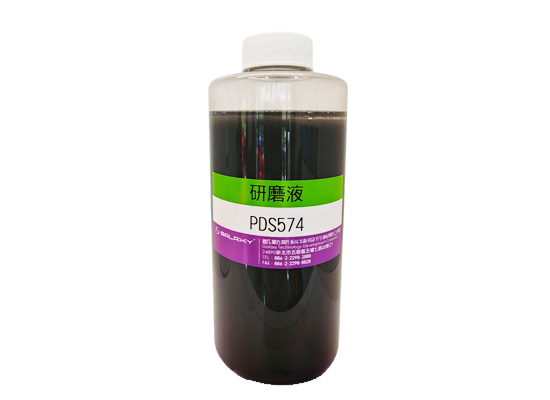
From a lubricating perspective, grinding fluid forms a uniform oil or water film between the workpiece and the abrasive, significantly reducing the direct friction coefficient between them. Research data from the Materials Processing Engineering Laboratory of Beijing University of Technology shows that in precision metal grinding, the use of qualified grinding fluid can reduce frictional resistance by 40%-60%. This not only reduces scratches on the workpiece surface caused by the abrasive, avoiding "scratch defects," but also reduces energy consumption and wear on the equipment. Especially in the grinding of brittle materials such as optical glass and ceramics, good lubricity prevents chipping and cracking caused by excessive local pressure on the workpiece, making it a fundamental requirement for achieving micron-level surface roughness (Ra ≤ 0.02μm). Cooling is key to combating thermal damage during grinding. During grinding, the high-speed friction between the abrasive and the workpiece generates a significant amount of heat. If this heat cannot be dissipated quickly, localized workpiece temperatures can rise to over 300°C, causing annealing and hardness loss in metal workpieces, or thermal stress and deformation in optical components. Professional grinding fluids utilize both convective heat transfer and vaporization to absorb heat, keeping workpiece surface temperatures below 50°C.
Cleansing is crucial for maintaining grinding stability. The grinding process generates a significant amount of grinding dust and abrasive debris. If these impurities adhere to the workpiece surface or the gap between the grinding tools, they can cause "secondary grinding"—impurities that replace the abrasive and scratch the workpiece, damaging surface flatness. The fluid's inherent fluidity and dispersibility allow it to promptly remove impurities, maintaining a clean grinding area.
In addition, grinding fluids can optimize machining results through chemical reactions. Some grinding fluids contain corrosion inhibitors that can form a protective film on the surface of metal workpieces to prevent the workpieces from rusting after grinding; while grinding fluids for special materials (such as sapphire substrate grinding fluids) will add chemically active ingredients that soften the workpiece surface material through slight chemical corrosion, reduce the cutting resistance of the abrasive, and reduce the generation of surface microcracks.